Introduction
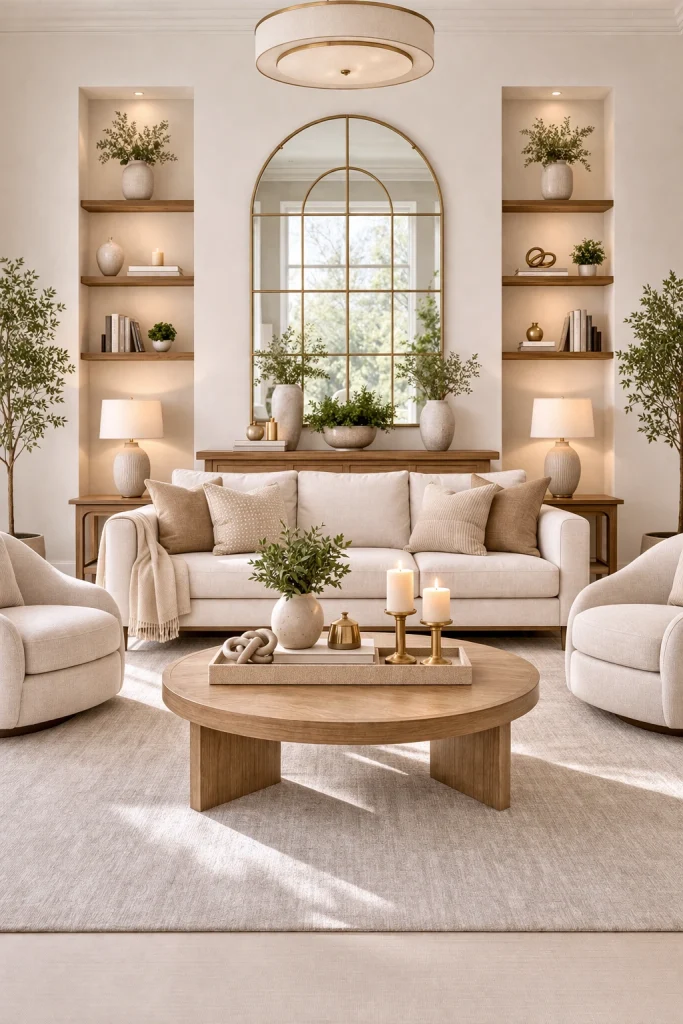
Decorating a living room can feel overwhelming, but with the right approach, it becomes simple and enjoyable. This guide on “12 How to Decorate a Living Room Step-by-Step” provides a clear, practical path to transform any space into a stylish and functional area. From selecting a cohesive color palette to arranging furniture and adding layered lighting, each step focuses on balance, comfort, and visual appeal.

Whether designing a compact or spacious room, these ideas help maximize layout, enhance natural light, and create a modern, inviting atmosphere. The result is a well-designed living room that feels organized, elegant, comfortable, and perfectly suited for everyday use and gatherings.
Define the Living Room Purpose and Style
Defining the living room purpose and style direction is the first step in creating a well-designed and functional space. Start by identifying how the living room will be used, whether for relaxation, entertainment, or social gatherings. This helps guide furniture selection, layout planning, and decor choices.
Next, choose a clear interior style such as modern, minimalist, or classic to maintain consistency throughout the space. A defined style direction ensures cohesive colors, textures, and materials that work together seamlessly. By establishing purpose and style early, the living room becomes visually balanced, practical, inviting, and aligned with a polished, harmonious interior design vision.

Choose a Cohesive Color Palette
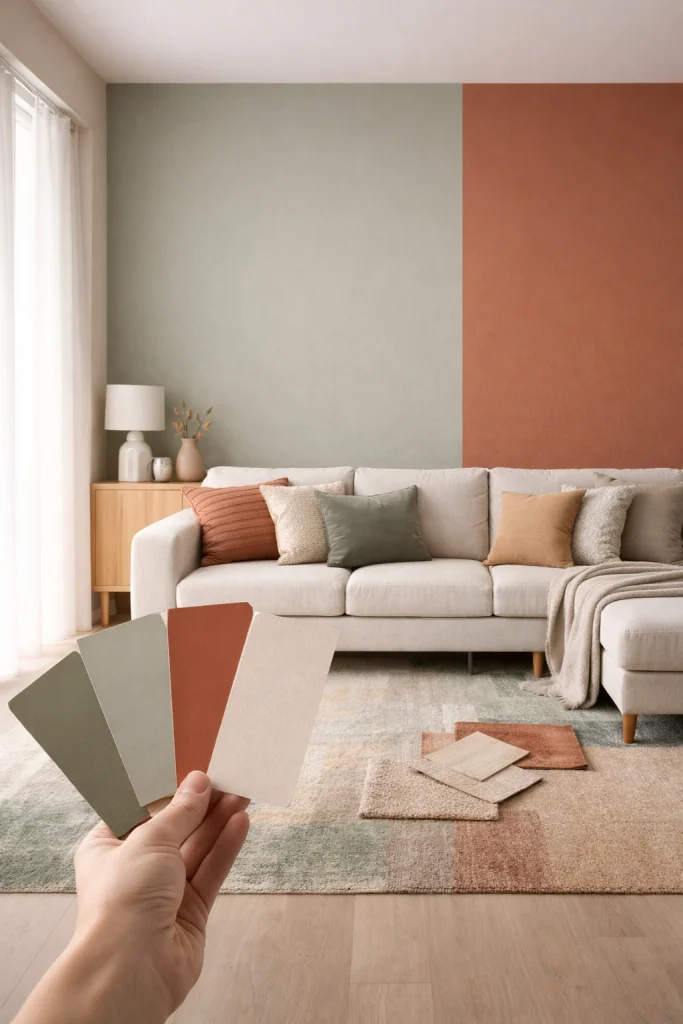
Choosing a cohesive color palette is essential for creating a harmonious and visually appealing living room design. Start by selecting a primary base color for walls, then layer complementary tones through furniture, cushions, rugs, and decor accents. A well-balanced palette ensures all elements blend seamlessly, avoiding visual clutter or contrast imbalance.
Neutral shades create a calm and timeless look, while bold accents add personality and depth. Consistency in color flow enhances the overall aesthetic and makes the space feel organized and inviting. A thoughtfully chosen color palette ties the entire living room together, improving style, comfort, and modern interior appeal effectively.
Select the Right Furniture Layout
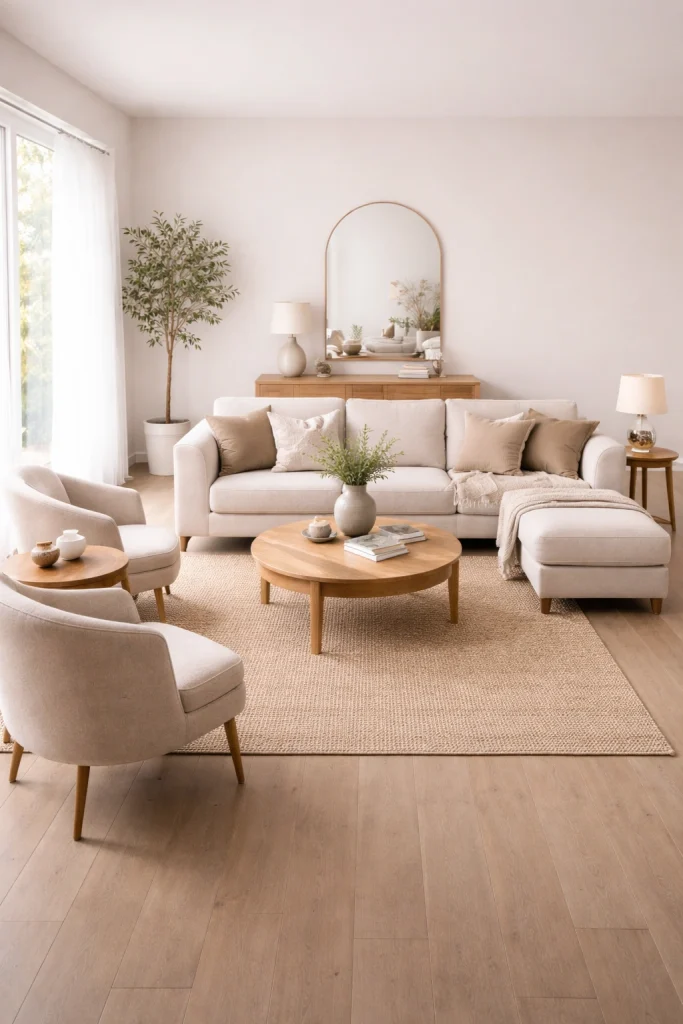
Selecting the right furniture layout is key to creating a functional and visually balanced living room. Begin by identifying the focal point, such as a TV unit or feature wall, and arrange seating around it to encourage conversation and comfort. Ensure proper spacing between furniture to allow smooth movement and clear walking pathways.
Position sofas, armchairs, and tables in a way that maximizes space without overcrowding the room. A well-planned layout improves flow, enhances usability, and creates a more open feel. By organizing furniture thoughtfully, the living room becomes practical, stylish, and perfectly suited for both relaxation and everyday living needs.
Establish a Focal Point
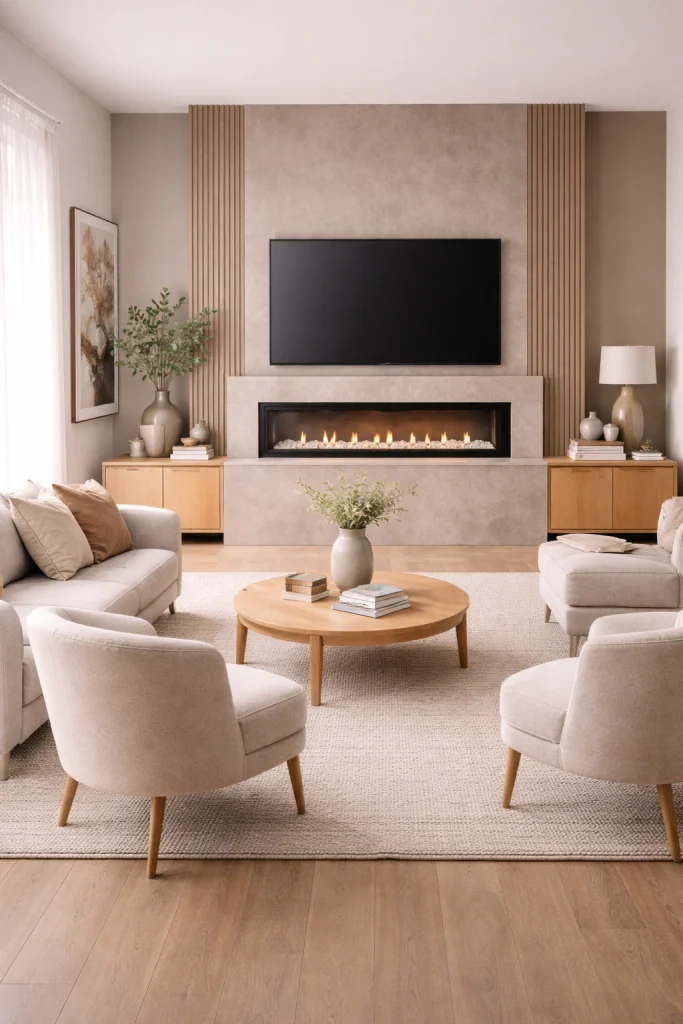
Establishing a focal point is essential for creating a visually appealing and well-structured living room. A focal point draws immediate attention and anchors the entire space, guiding how furniture and decor are arranged. Common focal points include a TV unit, fireplace wall, statement artwork, or a bold accent wall. Position seating to face or highlight this feature, ensuring balance and symmetry throughout the layout.
A strong focal point helps avoid a scattered look and brings clarity to the design. By emphasizing one dominant element, the living room feels organized, stylish, and cohesive, enhancing both functionality and overall interior design appeal.
Layer Lighting for Ambiance
Layering lighting for ambiance is essential to create a warm, functional, and visually appealing living room. Combine different light sources such as ceiling lights for overall illumination, floor lamps for added brightness, and table lamps for focused lighting. Accent lighting like LED strips or wall lights can highlight decor and architectural features.
Using multiple layers allows control over mood and brightness at different times of the day. Warm light tones create a cozy atmosphere, while proper placement reduces harsh shadows. A well-planned lighting design enhances depth, improves comfort, and elevates the overall style, making the living room feel inviting, balanced, and beautifully illuminated.
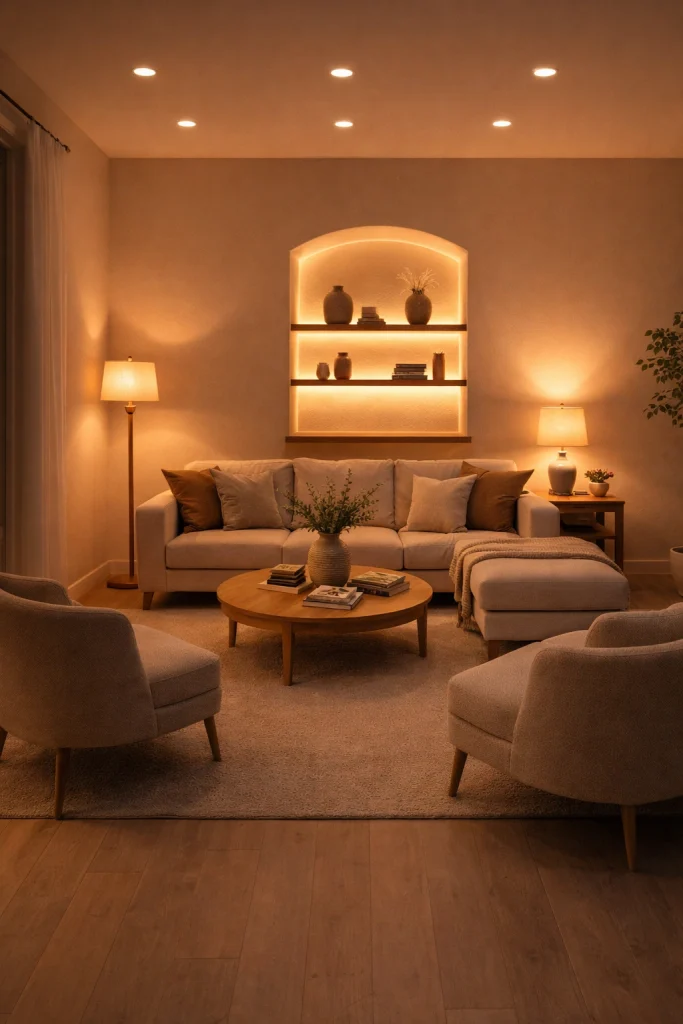
Add Area Rugs for Texture and Definition
Adding area rugs for texture and definition enhances both comfort and visual structure in a living room. A well-chosen rug anchors the seating area, connecting sofas, chairs, and tables into a cohesive layout. It also introduces texture, warmth, and contrast against flooring, making the space feel more inviting. Select a size that fits under key furniture pieces to define the zone properly.
Neutral rugs create a calm base, while patterned designs add depth and interest. Layering textures through rugs improves balance and style. A thoughtfully placed area rug elevates the overall design, making the living room feel complete, organized, and visually appealing.
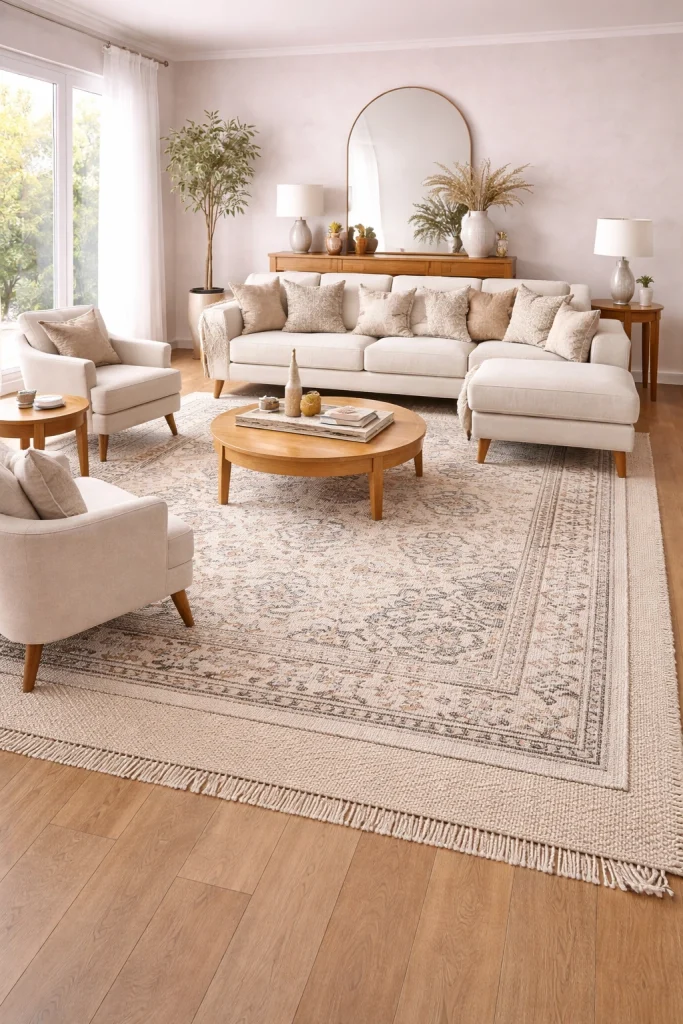
Incorporate Wall Decor and Art
Incorporating wall decor and art enhances the personality and visual appeal of a living room. Start by selecting pieces that reflect a consistent theme, color palette, or style to maintain cohesion. Options like framed artwork, gallery walls, mirrors, or textured panels add depth and interest to blank walls. Proper placement at eye level ensures balance and avoids a cluttered look.
Mixing sizes and shapes can create a dynamic yet organized display. Wall decor also helps define the room’s character while complementing furniture and accessories. Thoughtfully arranged art transforms empty spaces into focal features, making the living room feel stylish, complete, and visually engaging.
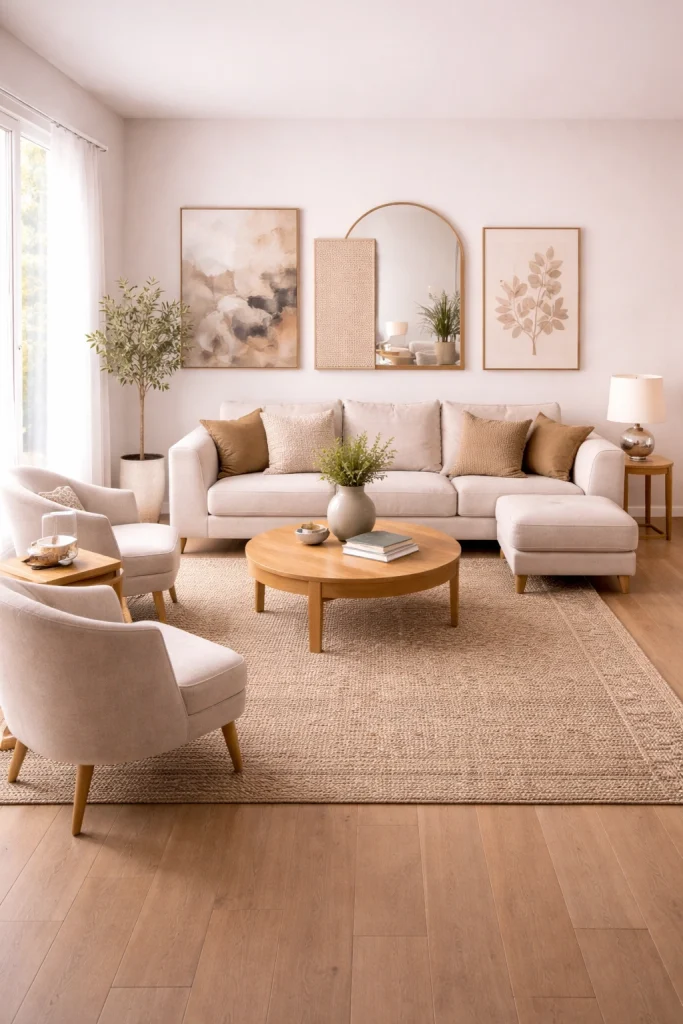
Style with Cushions and Soft Furnishings
Styling with cushions and soft furnishings adds comfort, texture, and visual depth to a living room. Start by layering throw pillows in different sizes, fabrics, and patterns to create a balanced and inviting look. Mix neutral tones with subtle accents to maintain cohesion while adding interest. Soft furnishings like blankets and throws enhance warmth and make seating areas feel cozy and functional.
These elements also allow easy seasonal updates without changing major decor. Proper arrangement avoids overcrowding while still achieving a plush, styled effect. Thoughtful use of cushions and textiles elevates the overall design, making the living room feel comfortable, stylish, and well-coordinated.
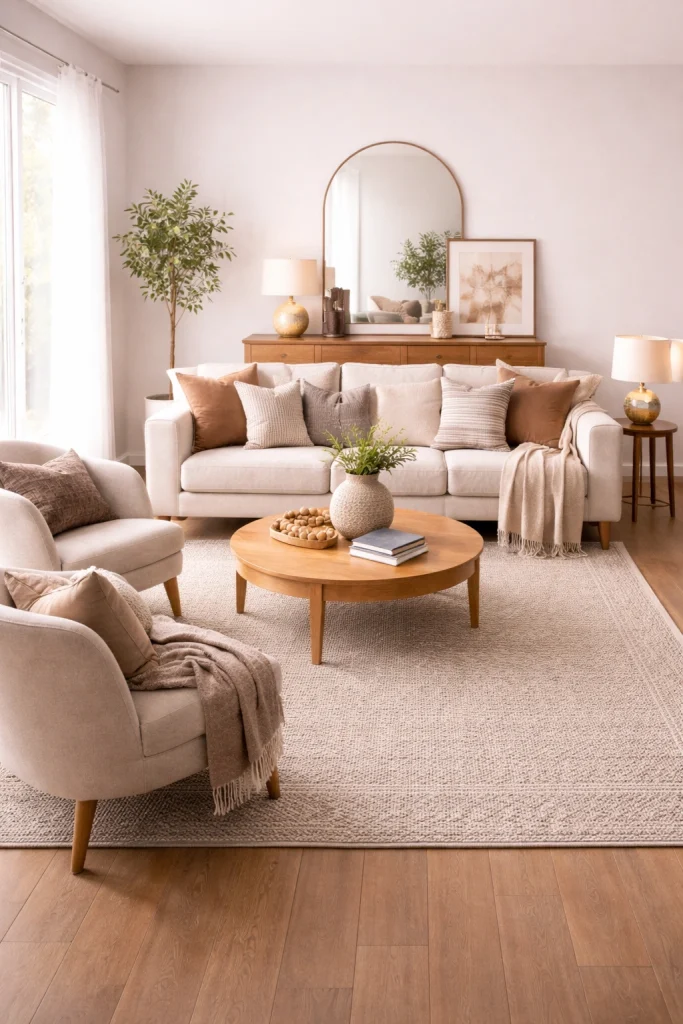
Introduce Natural Elements
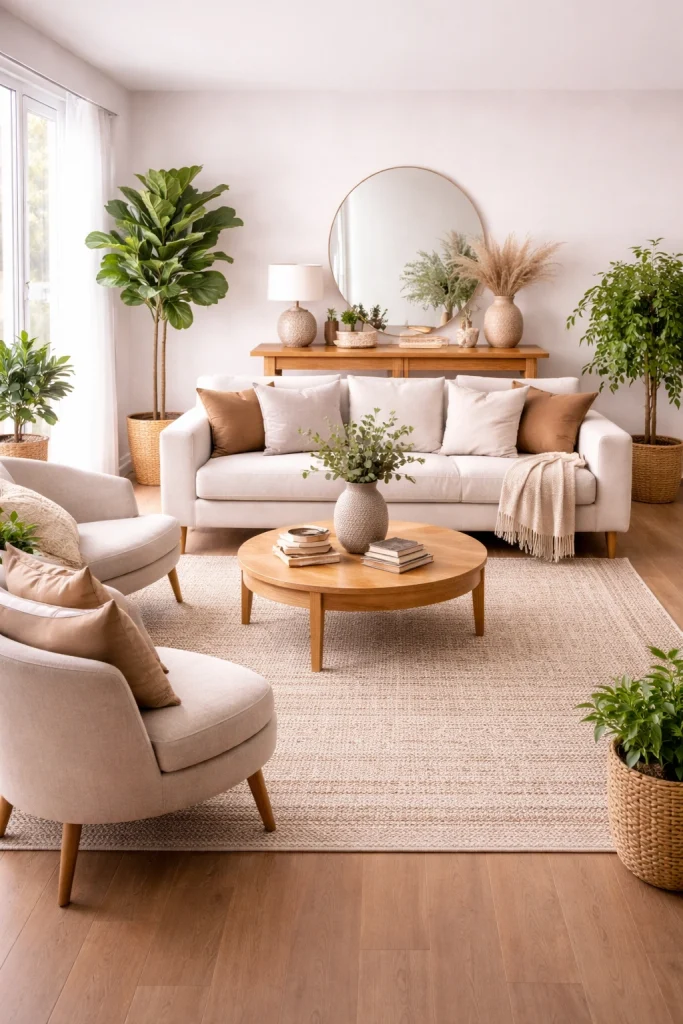
Introducing natural elements brings freshness, balance, and a calming atmosphere to a living room. Incorporate indoor plants, greenery, wooden decor, and natural textures to create a more organic and inviting space. Plants improve visual appeal while adding a sense of life and tranquility. Wooden accents and earthy materials enhance warmth and complement both modern and classic interiors.
Natural light further highlights these elements, making the room feel open and airy. Combining different organic textures creates depth without overwhelming the design. By adding natural touches, the living room becomes more relaxing, visually balanced, and connected to a soothing, nature-inspired interior style.
Add Functional Storage Solutions
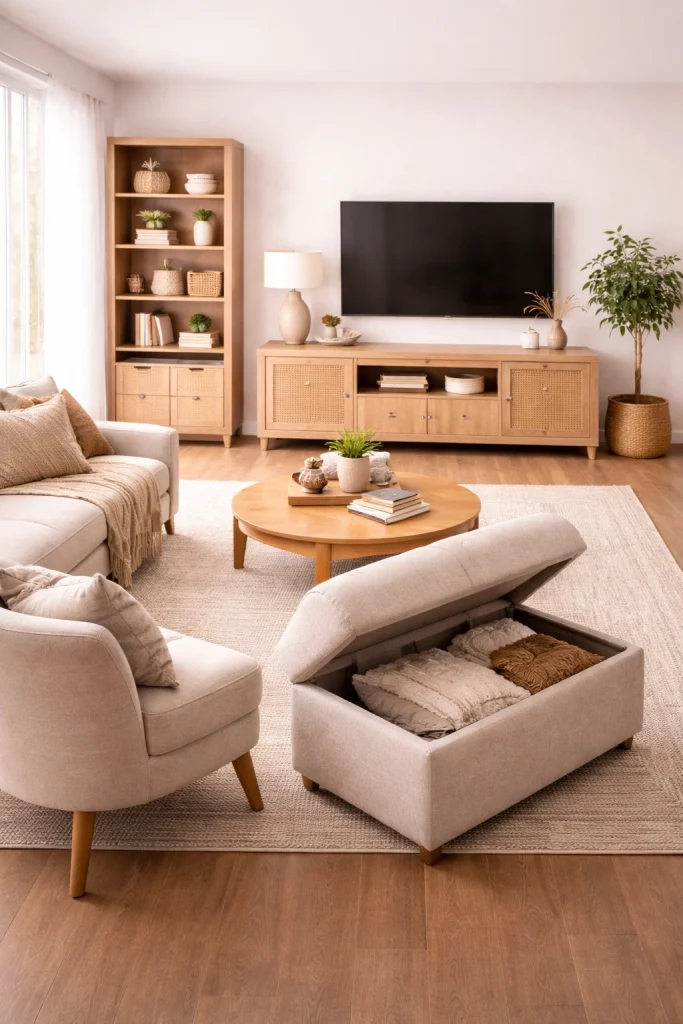
Adding functional storage solutions is essential for maintaining a clean and organized living room. Incorporate practical options like shelves, cabinets, storage ottomans, and TV consoles to keep everyday items neatly arranged. Smart storage helps reduce clutter while preserving a stylish and minimal appearance. Choose designs that blend with the overall decor to maintain a cohesive look.
Hidden storage options are ideal for keeping the space tidy without compromising aesthetics. Proper organization improves usability and creates a more open, breathable environment. By integrating functional storage, the living room becomes efficient, visually appealing, and perfectly suited for comfortable and clutter-free daily living.
Accessorize with Statement Decor Pieces
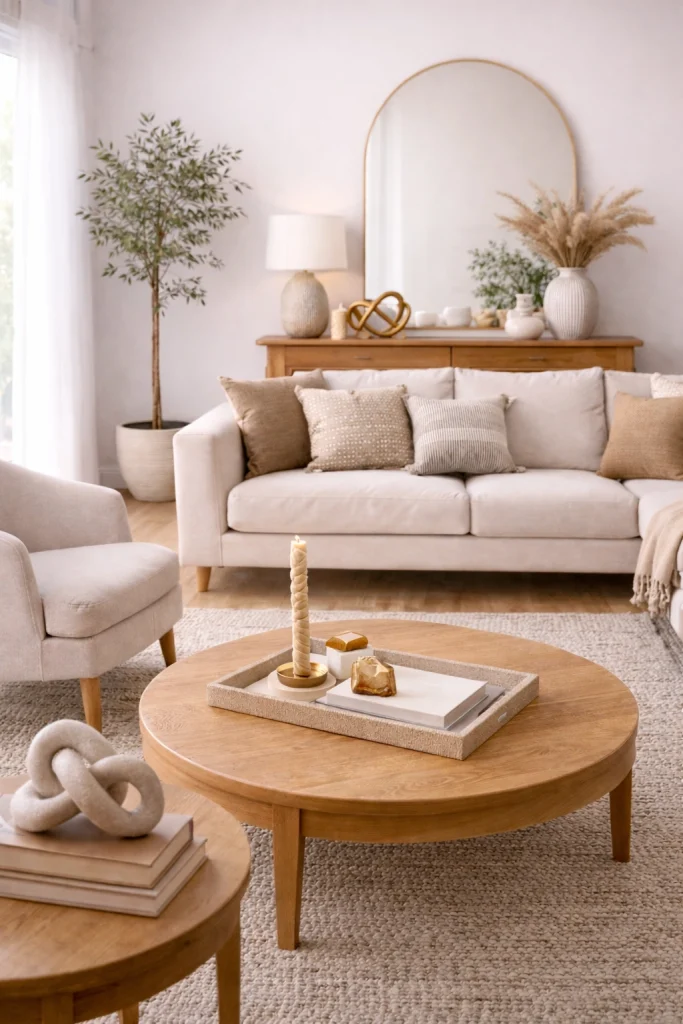
Accessorizing with statement decor pieces adds personality and visual interest to a living room. Choose bold yet balanced items such as sculptures, candles, books, and decorative trays to create a curated and stylish look. These pieces should complement the overall theme while standing out as focal accents. Arrange decor thoughtfully on coffee tables, shelves, or consoles to avoid clutter and maintain harmony. Mixing textures, shapes, and heights enhances depth and dimension. Statement accessories help elevate the design without overwhelming the space. When styled correctly, they bring character, sophistication, and a polished finish to the living room’s overall aesthetic.
Final Styling and Symmetry Check
Final styling and symmetry check ensures the living room looks polished, balanced, and visually complete. Review the entire space to confirm that furniture, decor, and accessories are aligned and evenly distributed. Symmetry creates a sense of order, making the room feel calm and well-structured. Adjust cushions, decor pieces, and lighting placement to maintain consistency and avoid visual clutter.
Ensure colors, textures, and elements flow seamlessly across the room. Small refinements at this stage make a significant difference in the final appearance. A well-executed symmetry check enhances harmony, elevates style, and gives the living room a refined, cohesive, and professionally designed finish.